

Waxed and Grease-Resistant Papers Serve Different Functions in Food-Service Packaging
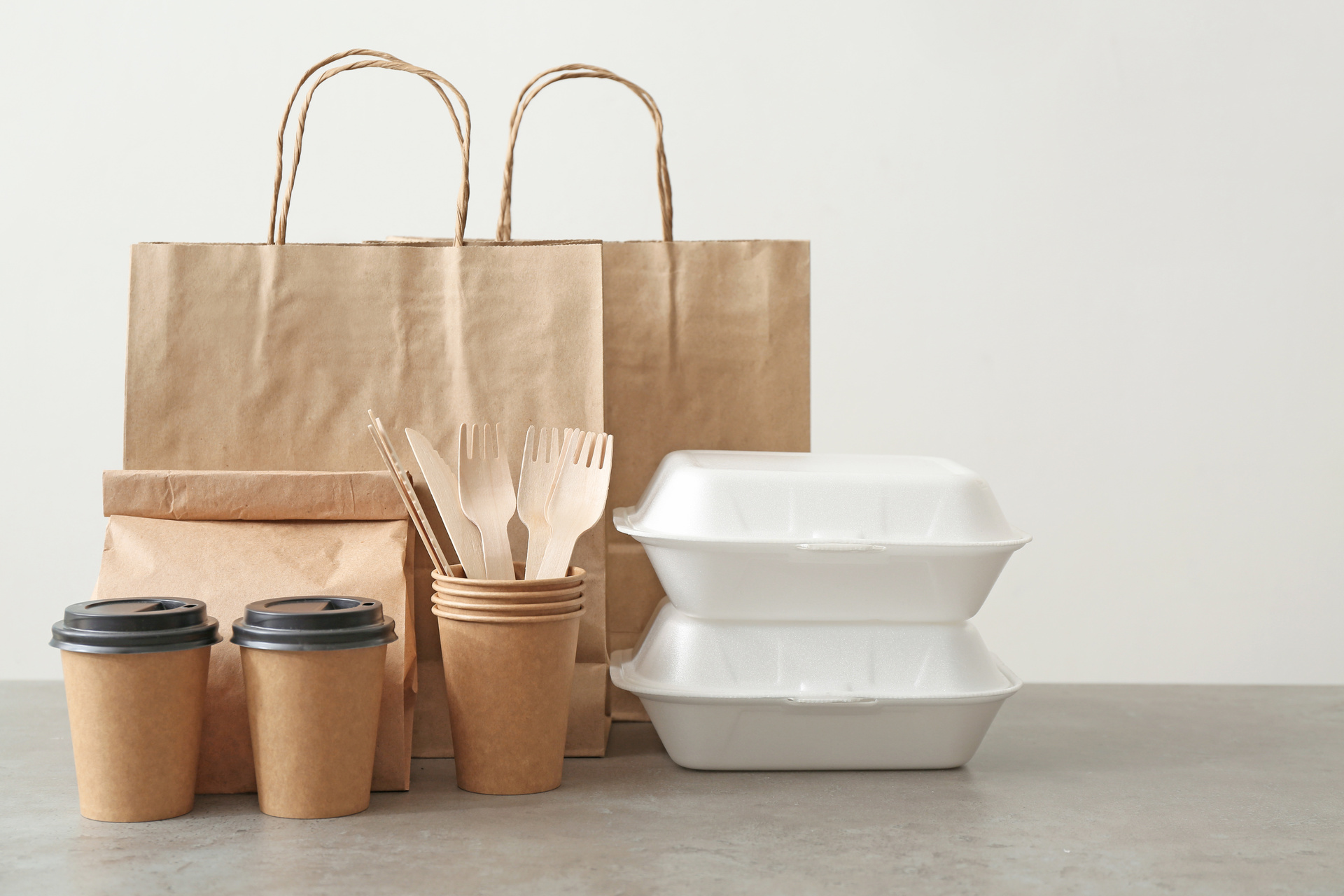

Waxed paper is generally associated with moisture resistance and surface separation, while grease-resistant paper is designed to limit the movement of fats and oils”
BATON ROUGE, LA, UNITED STATES, October 21, 2026 /EINPresswire.com/ -- Waxed paper and grease-resistant paper are commonly used throughout the food-service industry, but their material characteristics and intended applications differ. Although both materials may help manage contact between food products and packaging surfaces, differences in manufacturing methods, barrier properties, and temperature limitations influence their suitability for particular food-service environments.— Destin Pizer
Schneider Paper Products, a paper products company based in Baton Rouge, Louisiana, is examining the functional differences between waxed and grease-resistant papers, including how moisture exposure, oils, food temperature, and handling conditions affect packaging decisions.
Restaurants, bakeries, delis, commercial kitchens, and food distributors use specialized papers for wrapping, separating, storing, and presenting food products. Understanding the physical properties of these materials can help clarify why different applications require different paper characteristics.
Understanding Waxed Paper
Waxed paper is generally manufactured by applying a wax coating or impregnation treatment to a paper substrate.
The wax creates a barrier that helps limit moisture penetration and reduces direct contact between food products and the underlying paper fibers.
This characteristic makes waxed paper useful in certain food-wrapping and separation applications.
Depending on its formulation and intended use, waxed paper may be used to separate baked goods, wrap certain cold foods, or protect products from limited moisture exposure.
However, waxed paper is not designed for every temperature or food-contact condition.
Many conventional waxed papers are unsuitable for direct oven use because their wax coatings may soften, melt, or transfer under elevated temperatures.
According to Destin Pizer, with Schneider Paper Products in Baton Rouge, material selection depends on understanding the intended packaging function.
"Waxed paper is generally associated with moisture resistance and surface separation, while grease-resistant paper is designed to limit the movement of fats and oils," Pizer said. "Those characteristics may overlap in certain applications, but the materials are not automatically interchangeable. Food temperature, moisture content, and handling conditions should be considered when selecting packaging paper."
How Grease-Resistant Paper Differs
Grease-resistant paper is designed to limit the penetration or migration of oils and fats through the paper structure.
Depending on the product, grease resistance may be achieved through fiber processing, specialized manufacturing techniques, surface treatments, or barrier coatings.
Some grease-resistant papers use densely refined fibers to reduce pathways through which oils can travel.
Other products incorporate coatings or treatments that provide additional resistance to grease penetration.
These materials are frequently associated with food products containing oils, butter, shortening, or other fats.
Applications may include sandwich wrapping, bakery packaging, basket liners, and certain prepared-food containers.
However, grease resistance does not necessarily indicate resistance to water, high temperatures, or prolonged exposure to liquids.
Individual product specifications determine the extent of protection provided.
Moisture Resistance and Grease Resistance Are Different Properties
Moisture resistance describes a material's ability to limit penetration by water or water-based liquids.
Grease resistance describes its ability to limit penetration by fats and oils.
Although some packaging papers provide both properties, the underlying mechanisms are different.
Water and oil interact differently with paper fibers and barrier materials.
A paper designed primarily to resist moisture may not provide sufficient grease resistance for certain foods.
Similarly, a grease-resistant paper may allow moisture penetration under conditions involving condensation, sauces, or prolonged contact with water-based liquids.
Pizer noted that these differences can influence packaging performance during food preparation and service.
"A paper that performs adequately with a dry bakery product may behave differently when exposed to hot food containing oil or moisture," Pizer said. "Packaging performance depends on the food itself, the amount of contact, the temperature, and the time between preparation and consumption."
Temperature and Food-Service Conditions
Temperature is an important consideration when evaluating food-contact papers.
Hot foods can affect coatings, adhesives, and other materials used in packaging construction.
Conventional waxed paper may experience coating softening or melting when exposed to elevated temperatures.
Certain grease-resistant papers are formulated for contact with warm or hot foods, but temperature suitability varies among products.
Grease resistance alone does not establish that a paper is appropriate for baking, oven exposure, microwave use, or direct contact with heated equipment.
Manufacturer instructions and documented temperature limitations should determine acceptable applications.
Food-service operators must also consider whether packaging materials are intended for direct food contact under applicable regulatory requirements.
Common Food-Service Applications
Waxed paper may be used in applications involving cold food wrapping, moisture separation, or the prevention of sticking between certain food products.
Grease-resistant paper is commonly associated with foods that release fats or oils during preparation, handling, or service.
Examples include pastries, sandwiches, fried foods, and prepared items containing butter or cooking oils.
Some food-service applications require papers that combine grease resistance with moisture resistance.
Others require additional properties, including wet strength, tear resistance, foldability, or compatibility with printing processes.
The intended use determines which characteristics are relevant.
Packaging Performance During Handling and Storage
Food packaging materials encounter conditions beyond initial food contact.
Wrapped foods may be transported, refrigerated, stacked, or held for varying periods before consumption.
Condensation can develop when warm products cool inside packaging.
Oils may migrate through paper during extended contact.
Repeated folding, compression, and handling can also influence material performance.
Packaging evaluation should consider the complete handling process rather than a single point of use.
"Food-service paper has to function under actual operating conditions," Pizer said. "Wrapping, storage, transportation, temperature changes, and food composition all influence material behavior. Understanding those conditions helps explain why different paper grades exist."
Environmental and Disposal Considerations
Environmental characteristics also vary among waxed and grease-resistant papers.
Recyclability and compostability depend on fiber composition, coatings, additives, contamination, and the capabilities of local processing facilities.
A paper product described as grease-resistant should not automatically be considered recyclable or compostable.
Likewise, waxed paper may face recycling limitations depending on the coating and available collection systems.
Food-service operations evaluating disposal options should consider product-specific documentation and local waste-management requirements.
Understanding Material Selection
Waxed paper and grease-resistant paper serve different purposes because food-service applications involve different combinations of moisture, oil, temperature, and handling conditions.
Recognizing those distinctions can help restaurants, commercial kitchens, and food distributors evaluate packaging specifications and material requirements.
The selection process should consider food composition, intended contact conditions, temperature limitations, and applicable food-safety requirements.
About Schneider Paper Products
Schneider Paper Products is a paper products company based in Baton Rouge, Louisiana. Owned by Destin Pizer, the company is associated with paper materials and packaging applications used in food-service and commercial operations.
Morgan Thomas
Rhino Digital, LLC
+1 504-875-5036
email us here
Visit us on social media:
Facebook
Legal Disclaimer:
EIN Presswire provides this news content "as is" without warranty of any kind. We do not accept any responsibility or liability for the accuracy, content, images, videos, licenses, completeness, legality, or reliability of the information contained in this article. If you have any complaints or copyright issues related to this article, kindly contact the author above.
